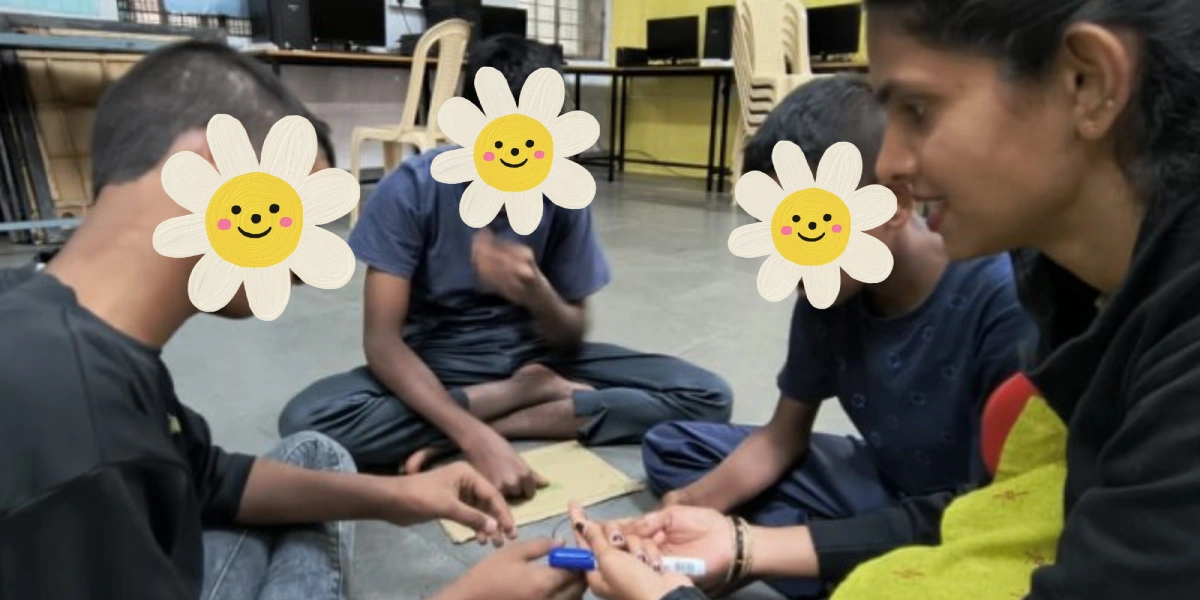
A Child Care Institution (CCI) often feels like a world of its own, a contained universe shaped by stories of loss, resilience, disruption, and hope. In the daily rhythm of activities, the emotional labour of facilitators and the depth of children’s transformation can easily go unnoticed. But during my visit to the Bangalore-based CCI, that depth felt more visible and more powerful than ever.
What are CCIs?
Child Care Institutions (CCIs) are a vital part of India’s Juvenile Justice system, offering shelter, care, and rehabilitation to children in need of protection or those in conflict with the law. Makkala Jagriti’s CCI Program strives to create safe, nurturing, and empowering environments in government-run CCIs and Observation Homes, ensuring that children who have faced adversity receive opportunities for holistic growth. By nurturing their social, emotional, physical, intellectual, and creative development, the program helps children rebuild confidence, develop essential life skills, and prepare for reintegration into society.
While many CCIs share similar objectives, each home has its own culture and rhythm. Unlike institutions where children stay for longer periods, this particular home supports children in conflict with the law who spend shorter durations here. What stood out most was the calm, patience, and steadiness of the facilitation team holding the space with remarkable composure despite the constant transitions of the children who pass through it.

Patience as Practice

Children in CCIs come from emotional landscapes that are often difficult to imagine. The trauma they carry and the unresolved pieces of their past continue to affect them, making reintegration into everyday life and society a complex process. One of the strongest insights from the day was the profound role of patience that facilitators uphold, not as a passive quality, but as an intentional, everyday practice. They never force participation; instead, they offer gentle invitations. They wait, observe, and slowly build trust until the children feel ready to engage.
For many children who arrive at the centre, joining a group, taking part in activities, or expressing themselves openly does not come naturally. Solitude becomes their safe space, a place they’ve learned to retreat into. Our facilitators honour this. Each day, they extend an invitation to join the group, and even the softest “no” is respected without hesitation. The children are simply reminded that the door remains open whenever they choose to enter.

Some children take weeks; others take months. But when they finally join a session of their own accord, it signals a trust that has been patiently earned. In a setting where children carry heavy emotional histories, patience becomes more than a virtue; it becomes a method and the foundation upon which all meaningful change is built.
Mutual Acceptance and Learning
“It doesn’t matter where you come from or what your background is; what matters is how you break it and move ahead in life.”
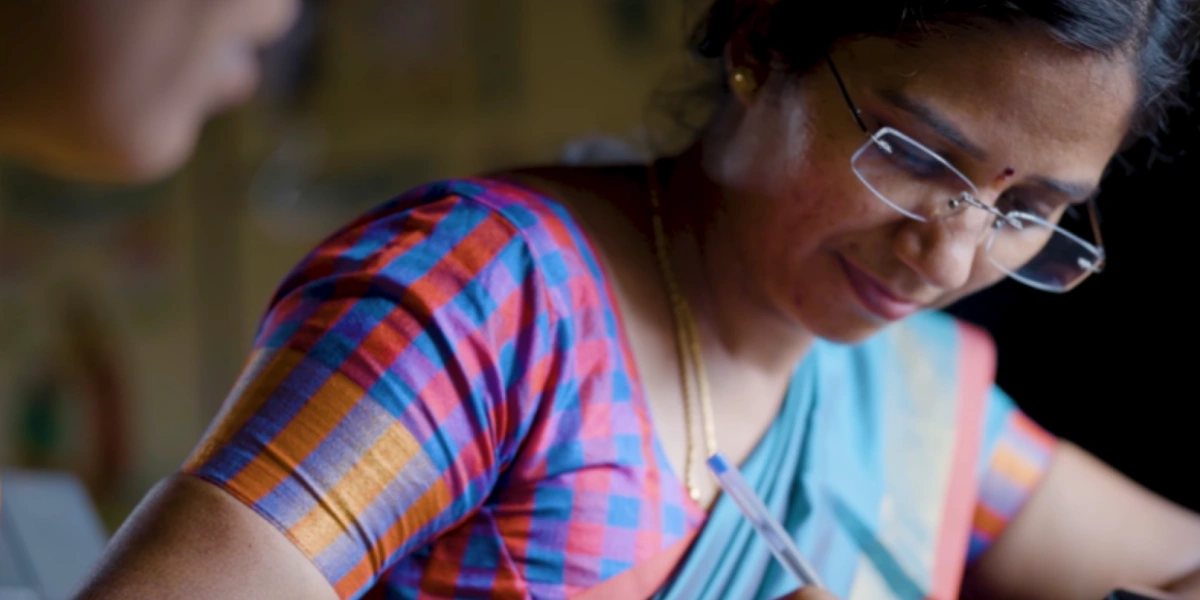
— Monica, Facilitator, CCI Bangalore
This belief sits at the heart of the CCI’s work. The core principle has always been to accept children exactly as they are, irrespective of their histories or behaviours. But what becomes evident in practice is that this acceptance is not one-directional; it is a slow, profound process of mutual acceptance.
Children take time, sometimes a long time, to trust the adults around them. They observe, test boundaries, withdraw, and return cautiously. And gradually, as facilitators hold steady with consistency and warmth, the children begin to accept them too.
Facilitators often reflect that they feel trained by the children more than the other way around. The learning is deeply reciprocal, shaped by new perspectives on life, expanded emotional understanding, and personal transformation.
In this environment, activities are not simply engagements or time-fillers; they become meaningful bridges. They link experiences, emotions, and relationships. They create a safe space where acceptance can flow both ways, where children and facilitators grow together.
The Emotional Cycle of CCI Facilitation
Facilitation in CCIs is like building with LEGO blocks or delicate card castles. Facilitators invest months building relationships, routines, and small but significant progress. And then, children move out. A new group comes in, and the process starts again. This cycle demands immense emotional resilience, yet the team here remains grounded, patient, and consistent.
Compared to school settings, where the pace is faster and challenges often demand immediate responses, the CCI environment calls for a different, deeper kind of patience. The facilitators here are shaped by the unique emotional landscape of the home. They develop an extraordinary calmness, responding to resistance, withdrawal, or silence not with urgency but with steady presence. Over time, this environment moulds them into thoughtful, composed problem-solvers who continually ask themselves, In this space and time, what can I offer my children?
Their focus is always on bright spots and possibilities rather than limitations, offering children opportunities for learning and exploration far beyond the routine life of a CCI. This mindset lies at the heart of Makkala Jagriti’s approach and sets it apart from many other organisations working in CCIs.
The Weight of “Confidence”
During our conversations, whenever we paused to reflect on the why behind our work or the markers of success, one phrase surfaced repeatedly:
“The children have grown more confident.”
At first glance, it might sound benign, but within the context of a CCI, confidence carries a weight far deeper than what the word usually suggests.
When facilitators say, “The kids have grown confident,” they are not merely referring to children who speak up more, participate enthusiastically, or perform well in activities. In a CCI, confidence is intertwined with identity, belonging, and healing. It is about slowly dismantling long-held, internalised beliefs such as:
“People like us don’t belong here.”
“These opportunities are not meant for us.”
“We don’t deserve to learn computers, use a library, or express ourselves.”
For children who have often been told, directly or indirectly, that they are undeserving, unworthy, or invisible, stepping into a new space is not a simple act. It is a profound emotional shift.
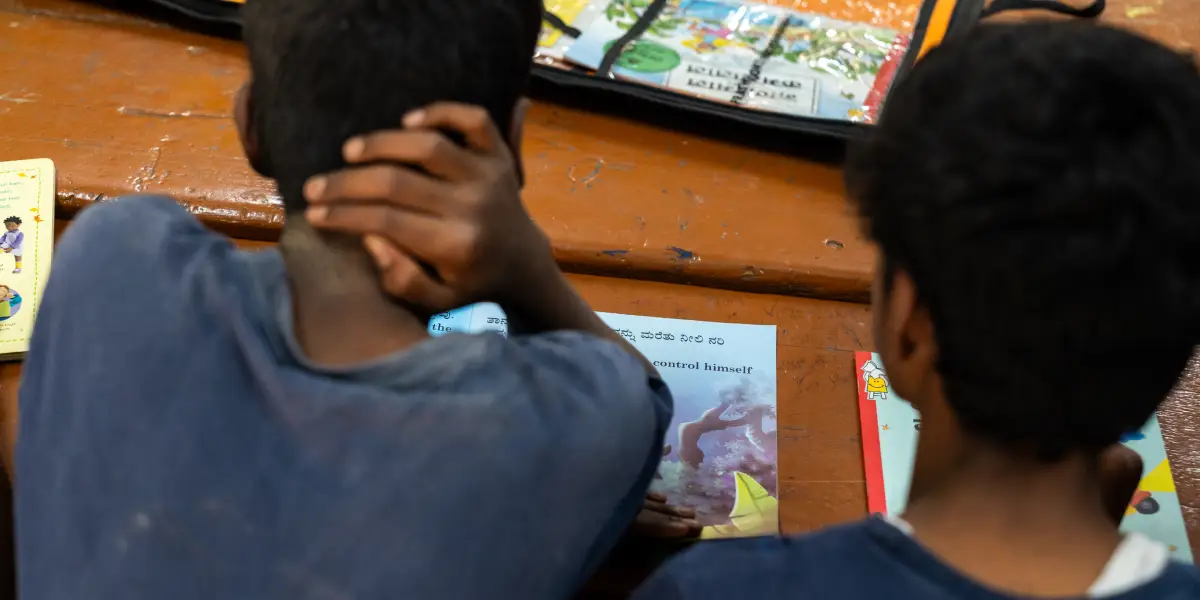
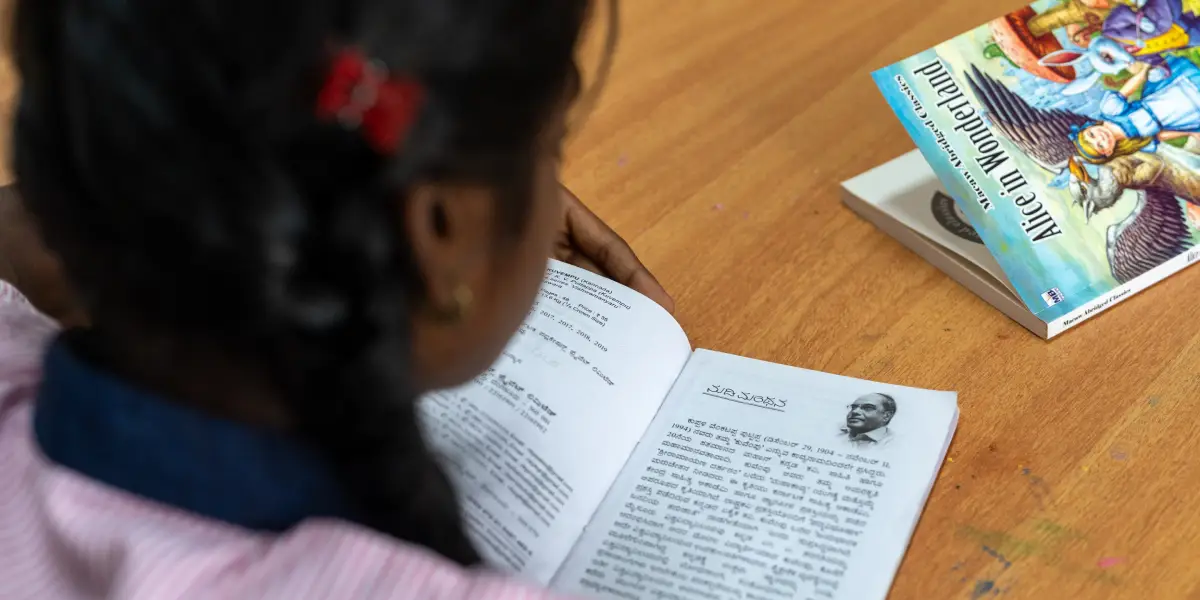
So when they start entering the library on their own, showing up for sessions without hesitation, exploring a Makerspace, where they create with their own free mind, or even admitting that they enjoy learning something new, it signals far more than participation. It reflects a growing sense of self-worth. It marks the beginning of seeing themselves as capable, deserving, and full of possibility.
Watching this transformation unfold made me realise how layered, fragile, and powerful the word confidence truly is. It is not the end goal but a doorway, one that opens up new identities, new hopes, and a future the children can finally imagine for themselves.
Change Is a Small Butterfly Taking Shape

What I witnessed was not just a set of activities, but the quiet, intentional work of healing built through patience, presence, and a deep belief in children’s potential. Trust is earned moment by moment, confidence is rebuilt layer by layer, and identities are reshaped through opportunities that once felt out of reach.
For children in the CCI, the idea of re-entering society can feel overwhelming. Many have experienced rejection or stigma long before entering the system. So when they begin expressing a wish to return to school, reconnect with family, or simply “start fresh,” it signals something powerful: they are starting to believe they deserve a place in the world again.
This is the promise of Makkala Jagriti’s CCI program: that every child who passes through its doors leaves having rediscovered something of themselves: hope, a voice, or simply the belief that they matter. And often, that single shift is enough to begin an entirely new chapter in their lives.
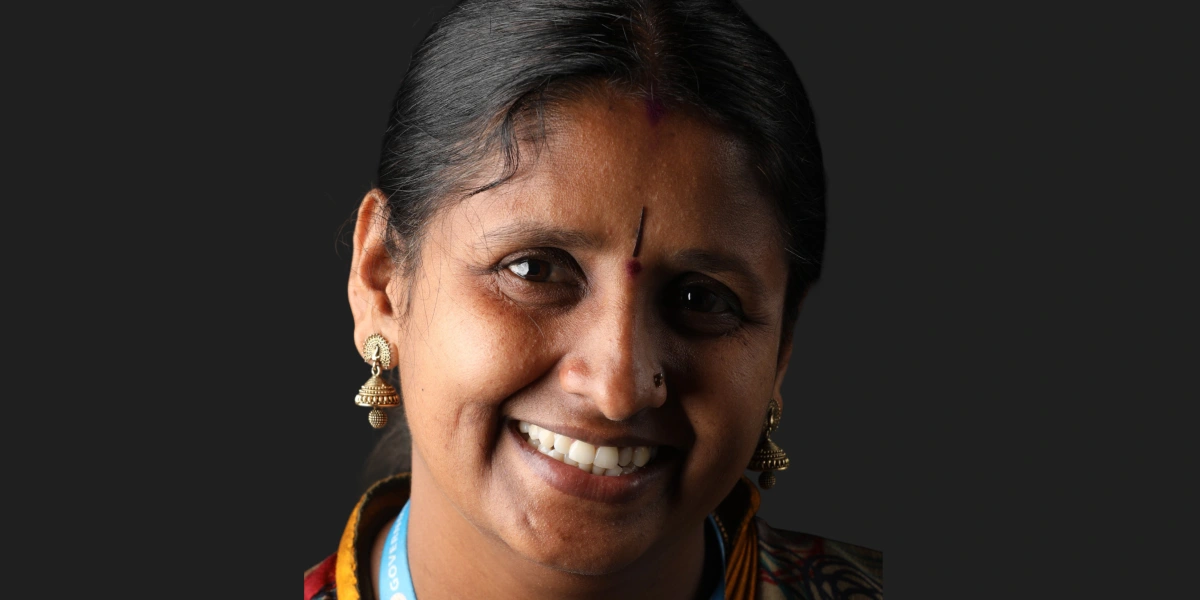
Written by – Neeraja Anupama, Senior Coordinator – Communications