Boarding the traveller from Bangalore to visit a work site in HD Kote felt like stepping into the unknown, a journey toward the wilderness, the lush green, and the quiet that waits beyond the city’s edges. Half of me was excited to soak in this landscape; the other half was focused on documenting the work at hand. But when I reached Kote, it wasn’t the wilderness that greeted me. It was a celebration!
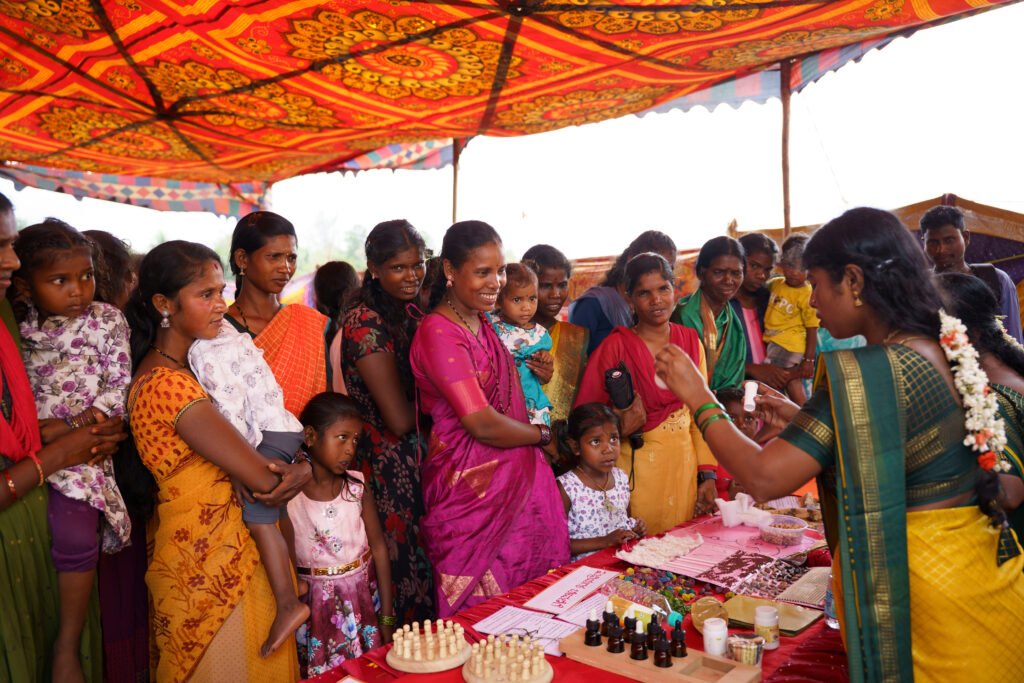
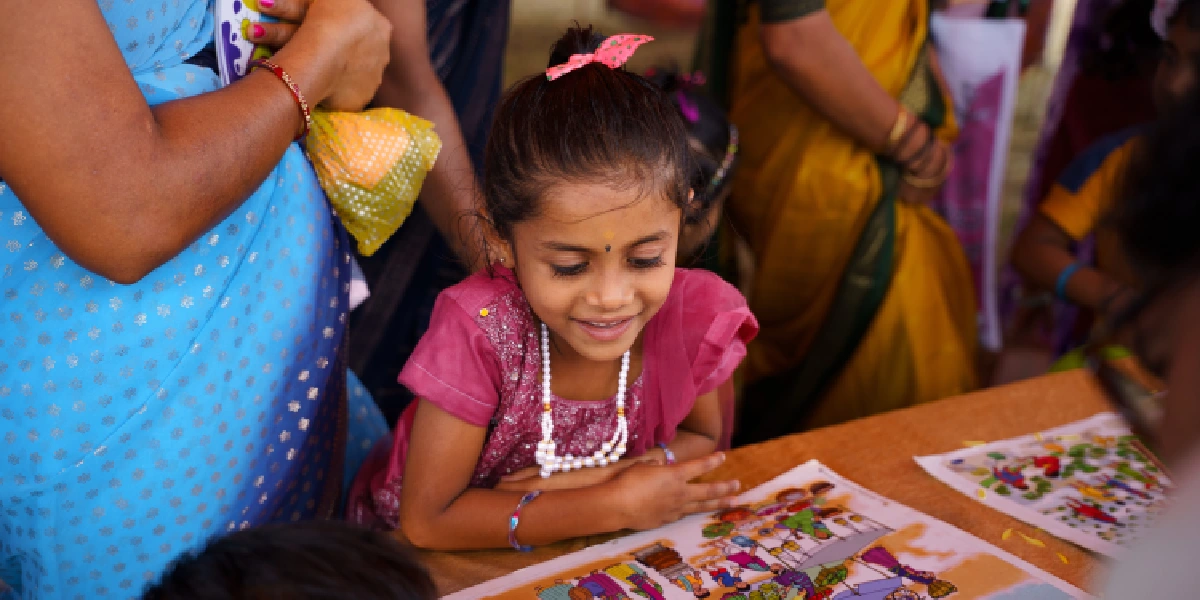
Annuru Taluk, where the Anganwadi Habba was being held, was not as remote as I had imagined. A vibrant community had gathered, parents, teachers, and children, all united in honouring early learning. The warmth was immediate. The habba felt familiar: joyful, intentional, deeply rooted in community spirit. Children were brimming with excitement, parents stood fully present, and teachers led with a confidence that instantly drew me in.
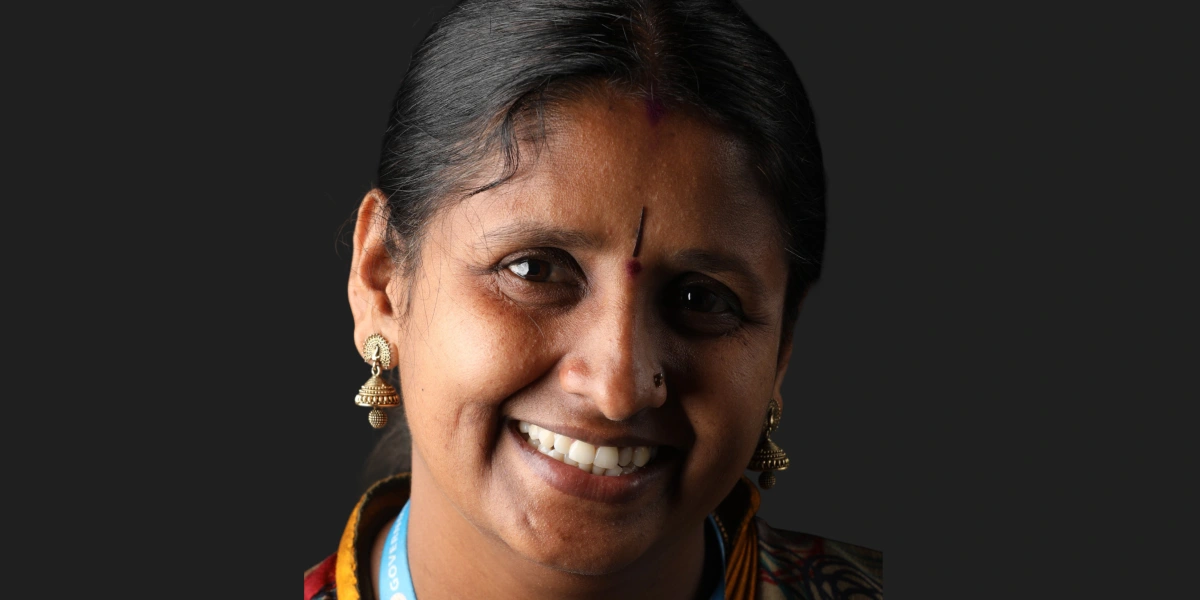
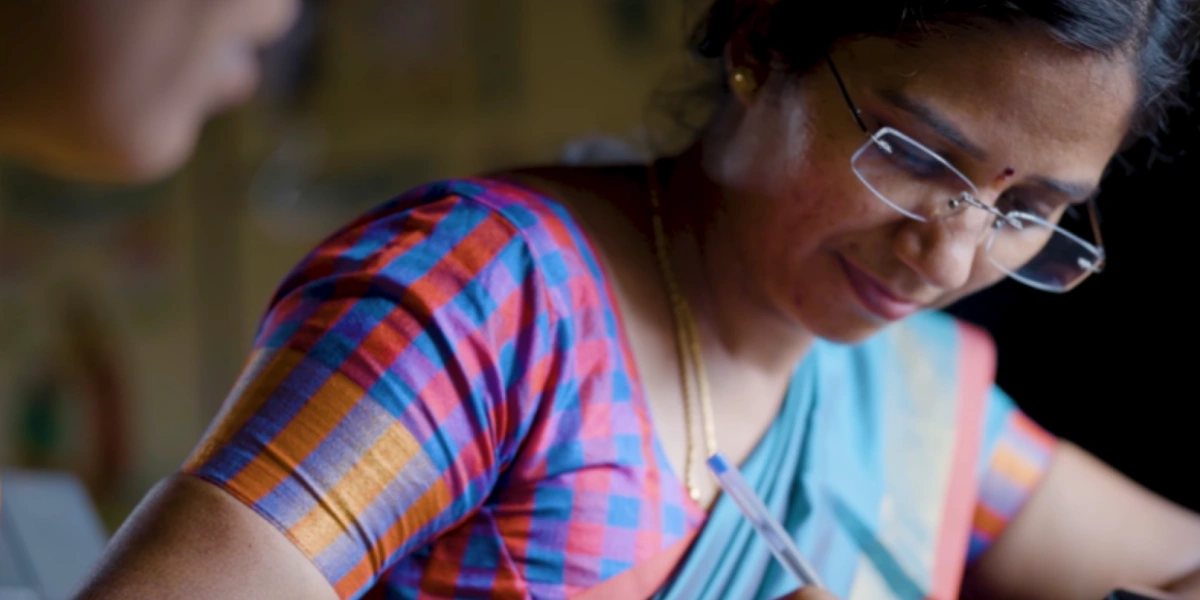
And it was the teachers who left the deepest impression. They didn’t just take part in the habba; they owned the space with grounded clarity. Their pride in early childhood education showed in every gesture, every word, every beautifully planned activity. These were educators who understood, deeply and intuitively, the why behind early learning, the long-term impact, the purpose behind each activity, and the powerful role they play in shaping a child’s future.
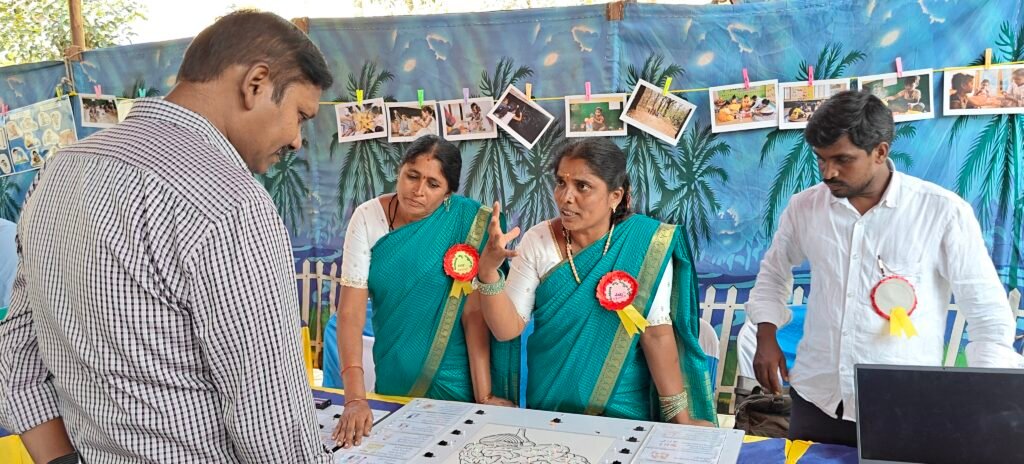
But the reality beneath this celebration is complex. HD Kote has a large population of families from the Scheduled Tribes (ST), and early childhood education here faces real challenges. Nationally, only 13.1% of ST children attend pre-primary education, which is a stark reminder of the access gap (Choudhury, Joshi & Kumar, 2023). And even where anganwadis exist, the quality is often uneven, with centres lacking structured activities or adequate teaching–learning materials.
This is where the work we do at Makkala Jagriti feels relevant. Over the past year, through the Early Childhood Program supported by the HCL grant, the team has been strengthening early learning ecosystems in some of the most underserved pockets of HD Kote.
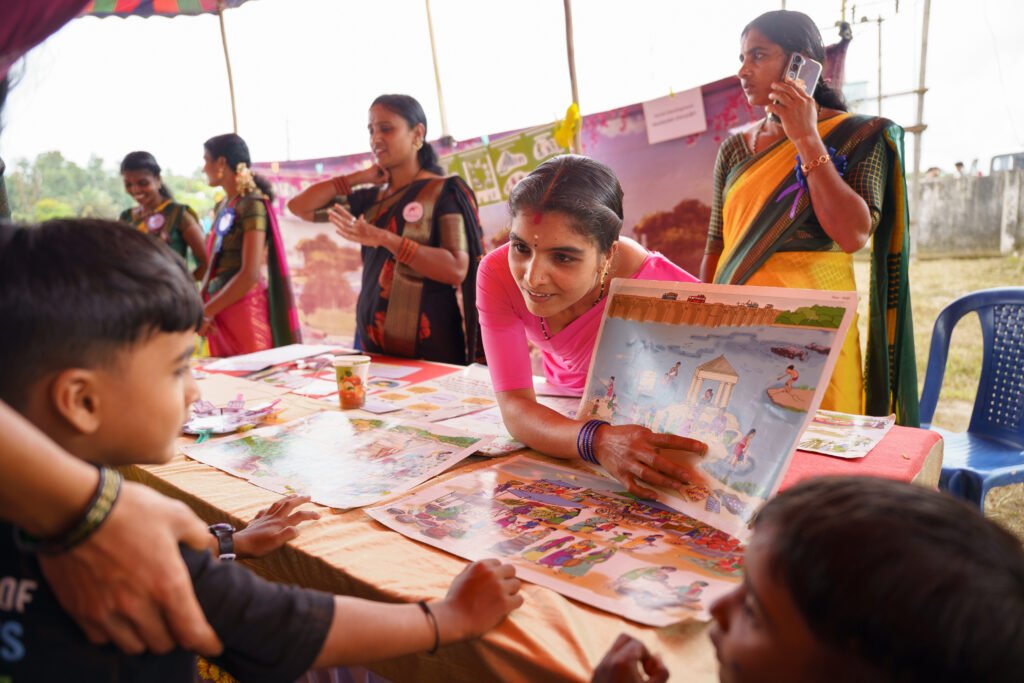
The teachers I met at the Habba truly embodied this shift. They spoke with such conviction about why every activity matters in a child’s growth and understanding. Their grasp of how each experience nurtures cognitive, physical, emotional, and social development was deep and intentional.
They shared that government trainings had given them a strong foundation and clear direction in early childhood education. And the Makkala Jagriti sessions added another layer, helping them connect each activity to specific developmental domains and understand the deeper intentionality behind structured early learning.
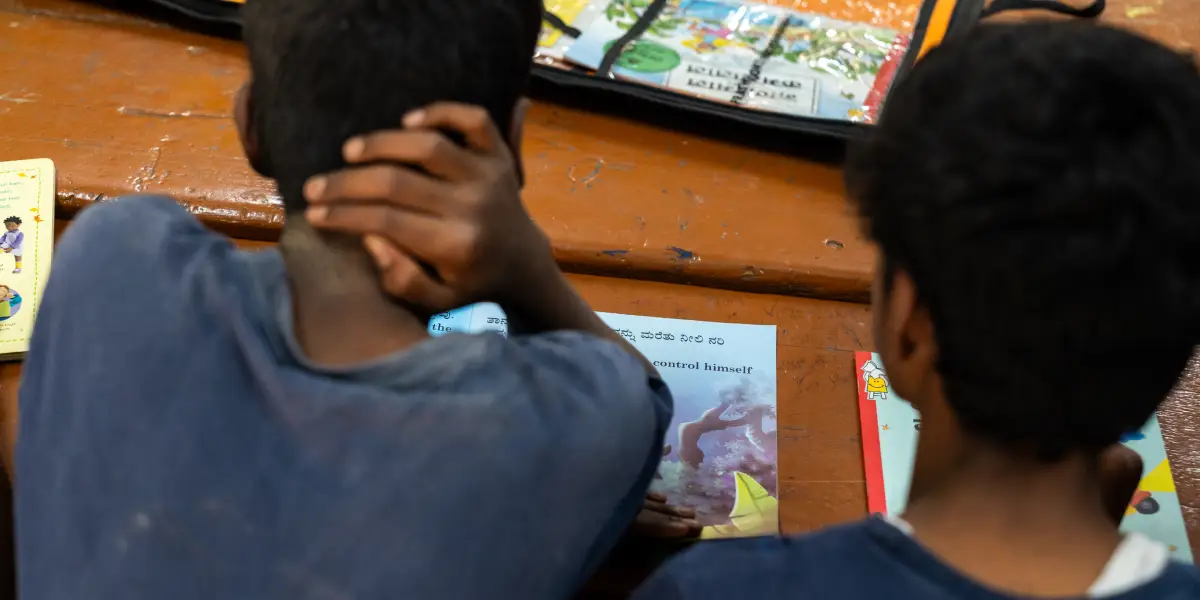
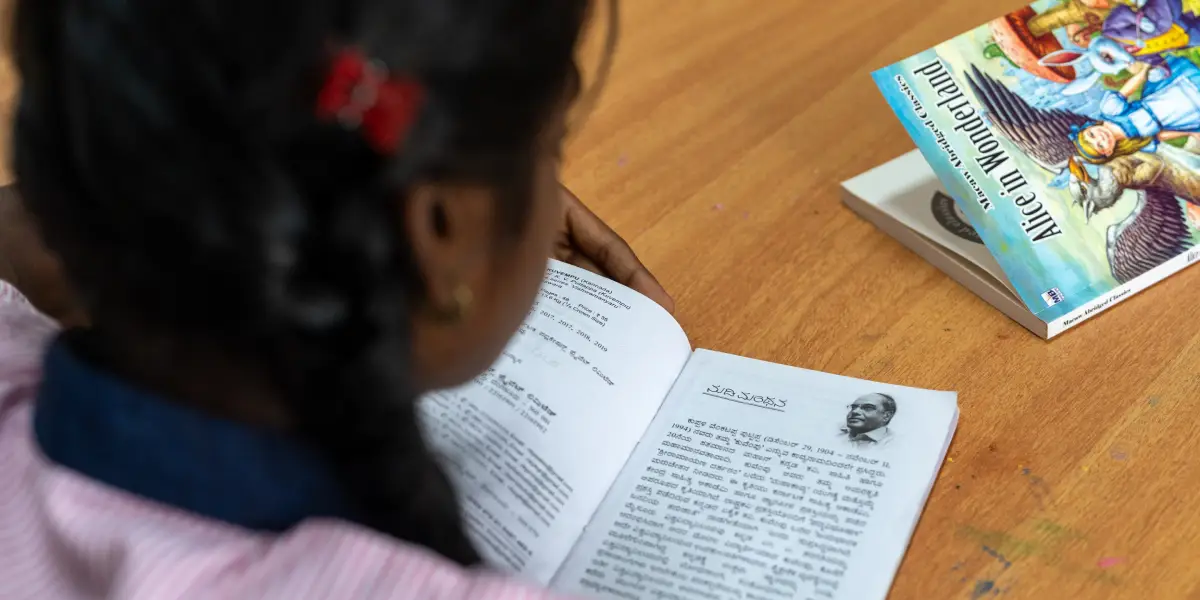
This understanding transformed the way they taught, especially in settings where formal TLMs are limited. They showed me how early learning can thrive through everyday objects, songs, stories, nature walks, and community interactions. In their hands, the absence of materials became space for creativity. It reminded me that impactful teaching doesn’t begin with resources; it begins with understanding.
Watching these educators lead with conviction, I realised once again: early childhood education isn’t just foundational for children. It is foundational for equity, dignity, and lasting change. And its true strength shines not only when resources are abundant, but when educators know why they do what they do, and how to bring learning alive even with the simplest of tools.
Reference:
Choudhury, P.K., Joshi, R., & Kumar, A. (2023). Regional and socioeconomic inequalities in access to pre-primary education in India: evidence from a recent household survey. International Journal of Child Care and Education Policy, 17(13). https://doi.org/10.1186/s40723-023-00117-4
Written by – Neeraja Anupama, Senior Coordinator, Communications