Remember the movie where a baby outsmarts a city full of adults?
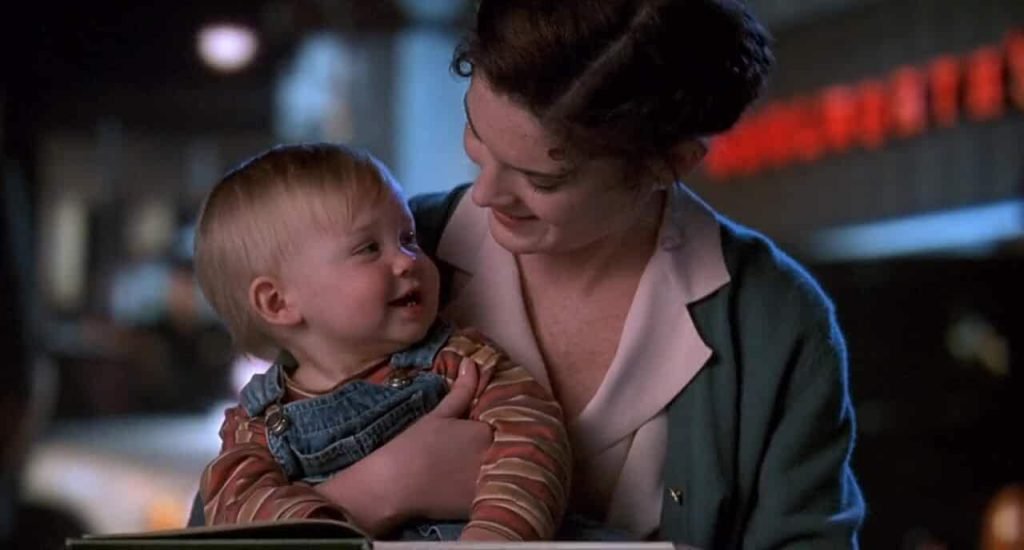
Yes, I’m talking about the 1994 film Baby’s Day Out.
Often recalled as a light-hearted comedy, the film quietly captures something deeply profound about early childhood. Baby Bink—who cannot speak, read, or follow instructions—navigates an entire city using curiosity, observation, and fearless exploration. The situations are exaggerated for humour, but the underlying truth is strikingly real: children are natural learners long before they are formally taught.

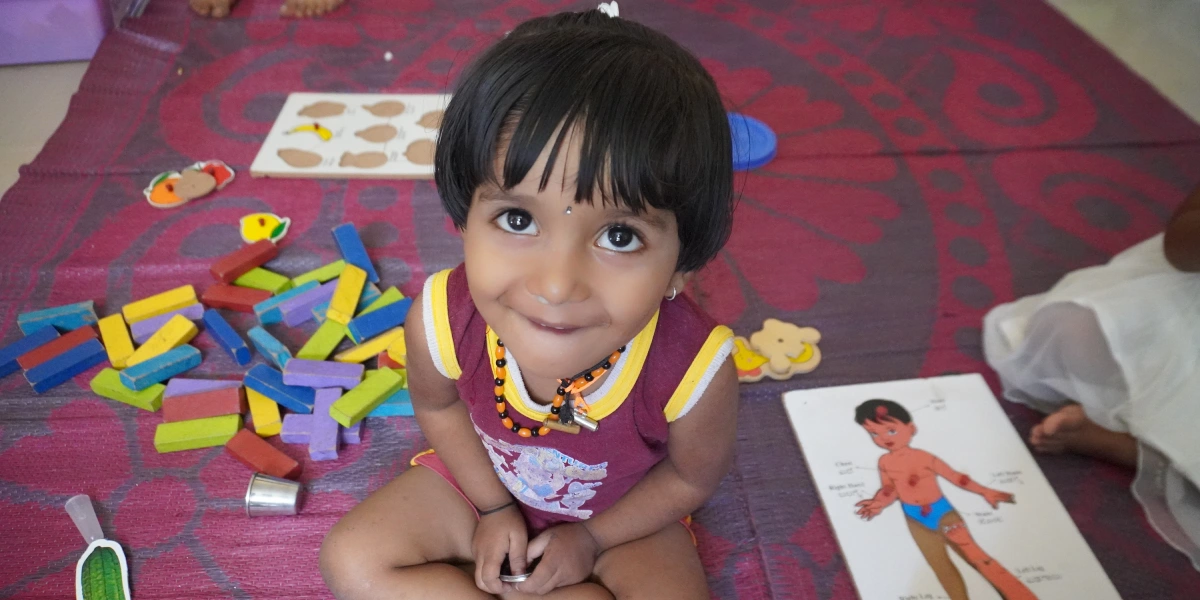
They learn by moving, touching, observing, and trying—again and again. This instinct to explore and make sense of the world is most alive in the early years of life. Learning, at this stage, does not happen through neat lessons or rigid instruction. It unfolds through everyday experiences—stacking objects, listening to stories, imitating adults, negotiating play, and asking endless questions.
Curiosity is what drives this process. When it is nurtured, children develop cognitive skills by recognising patterns and solving problems, language skills through conversation, storytelling, and songs, socio-emotional skills by expressing emotions and building relationships, and physical skills through movement and hands-on exploration. These capacities do not develop in isolation; they grow together, shaping how a child understands themselves and the world around them.
For many young children in India—especially first-generation learners—such rich learning experiences may be limited at home due to social and economic constraints. This makes early learning spaces not just important, but deeply transformative. It is here that Anganwadis play a critical role.
Anganwadis occupy a unique place in India’s education ecosystem. For millions of children, they are the first structured space outside the home—where children encounter peers, learning materials, routines, and adults beyond their families. At their best, Anganwadis can be vibrant spaces that invite curiosity, play, and exploration. At the same time, they are expected to manage multiple responsibilities—from nutrition and health to documentation and school readiness. Within these pressures, learning can sometimes become adult-led and rigid, leaving little room for children to explore at their own pace.
When curiosity is restricted too early, learning risks becoming passive. Children may learn to comply, but not necessarily to think, question, or engage. When curiosity is honoured, however, Anganwadis can become powerful environments where children build confidence, joy, and a positive relationship with learning—foundations that shape their educational journeys well beyond the early years.
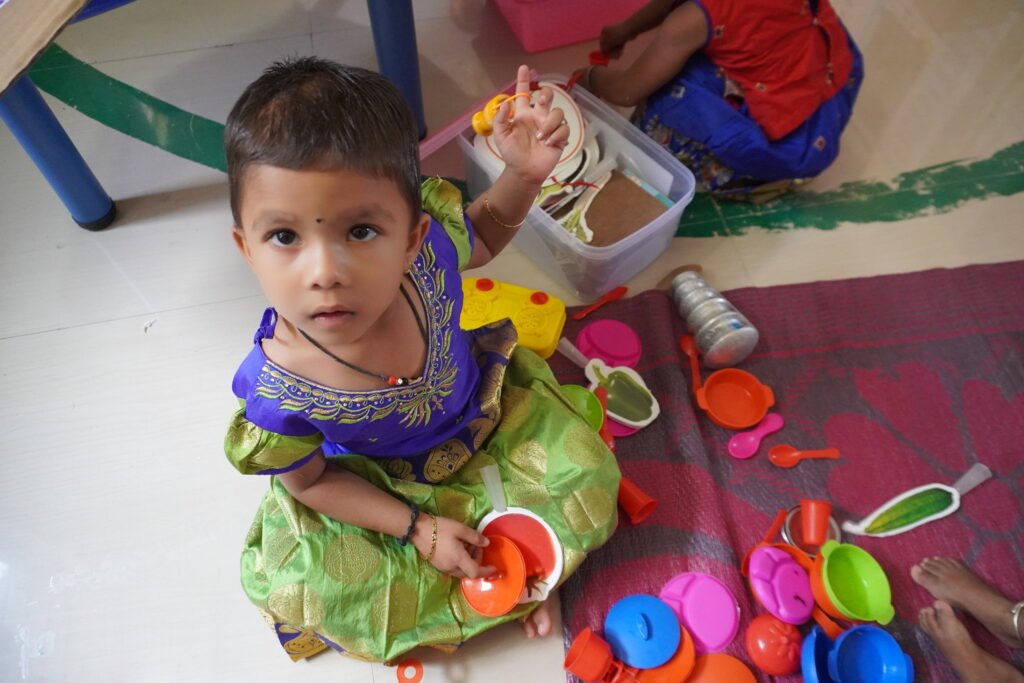
At Makkala Jagriti, our Early Childhood Care and Education (ECCE) work begins with a simple belief: children learn best when they feel safe, engaged, and curious. Our efforts focus on strengthening Anganwadis as spaces where exploration is possible, even within system constraints. This includes making learning environments more welcoming and child-centric, through simple but meaningful changes such as open floor spaces, accessible materials, and clearly defined activity corners. These shifts encourage movement, choice, and independent exploration, helping children feel a sense of ownership and belonging within the space.
Play sits at the heart of this approach. Through songs, stories, games, art, and movement, children naturally develop early literacy, numeracy, and socio-emotional skills. Learning is embedded in everyday experiences, making it joyful, meaningful, and age-appropriate rather than forced or abstract. Equally important is the role of adults in these spaces. Young children learn best when adults observe, respond, and guide rather than instruct. Supporting Anganwadi teachers to become facilitators of learning—who follow children’s interests, encourage curiosity, and create opportunities for participation rather than rote responses—is central to nurturing meaningful early learning experiences.
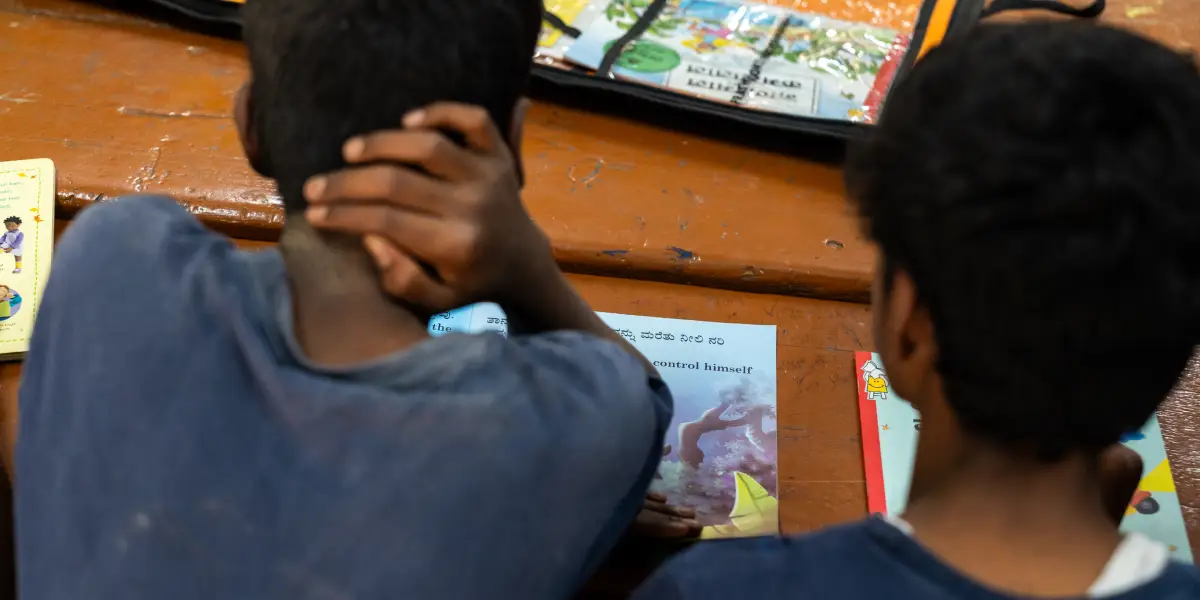
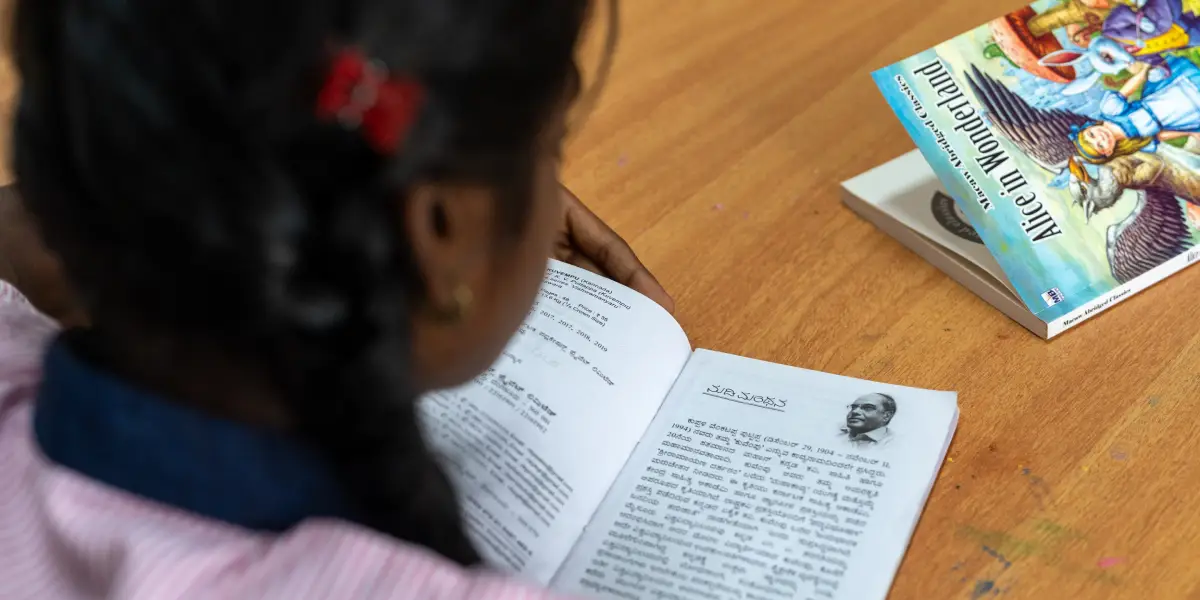
Curiosity also finds its voice through language. By creating language-rich environments filled with storytelling, conversation, and songs in the child’s home language, children feel safe, heard, and confident. These early experiences form essential foundations for communication, emotional well-being, and later learning.
This understanding of early learning is strongly supported by research and policy. Developmental theorists such as Jean Piaget and Lev Vygotsky emphasised that children learn through active engagement with their environment and through social interaction. Maria Montessori highlighted the importance of prepared environments that offer freedom within structure. More recently, the National Education Policy 2020 reinforces the need for play-based, holistic early childhood education and recognises Anganwadis as critical early learning spaces.
Baby’s Day Out reminds us that learning does not begin with instruction—it begins with curiosity. When Anganwadis are designed as spaces that respect and nurture this instinct, children start their learning journeys with confidence, joy, and resilience. Early childhood education, then, is not about rushing children toward outcomes. It is about walking alongside them as they explore the world—one question, one game, and one discovery at a time.
Because in the early years, the most powerful learning begins not with answers, but with wonder.
Written by – Viba K S, Deputy Manager, Communications