The Importance of Childcare Homes: Nurturing Today’s Citizens for a Stronger Nation
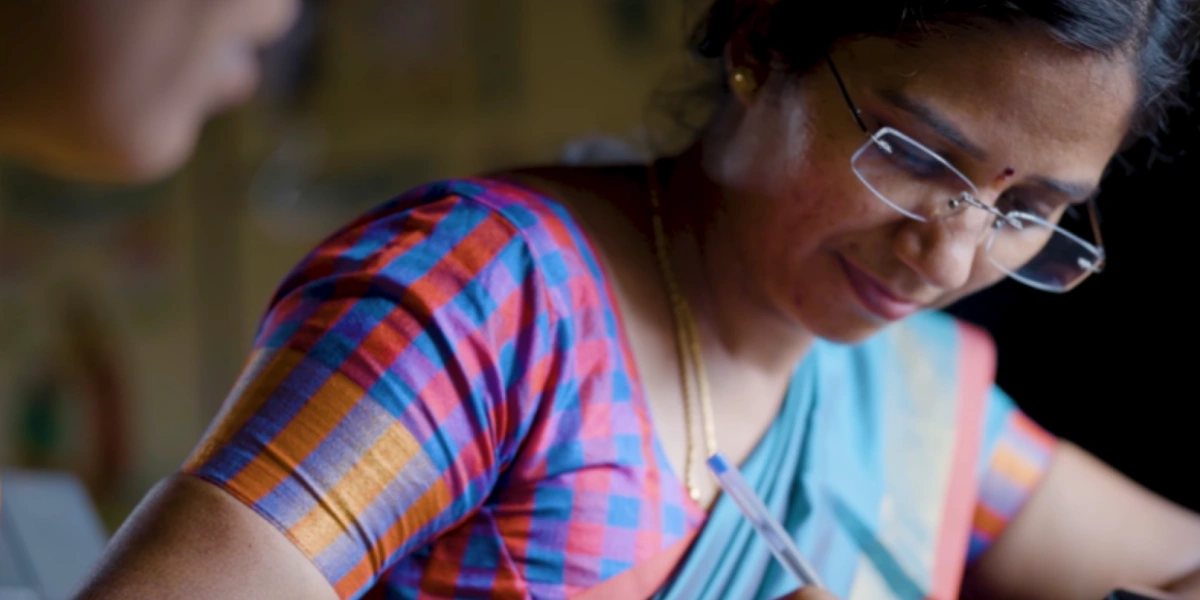
This reflection is rooted in a recent conversation with Ms. Haleema, Director of ICPS. As we spoke about children living in childcare institutions, spaces that society often misunderstands, overlooks, or reduces to charity rather than recognizing as critical ecosystems of care, one thought stayed with me throughout our discussion:
“Previously, we used to say that today’s children are tomorrow’s citizens. But it’s not like that. Today’s children are today’s citizens.”
It made me reflect deeply on how the way we view and support childcare homes directly shapes the quality of care children receive within them. Public perception influences public will, policy attention, and resource allocation. When we see childcare institutions not as places of abandonment, but as spaces of protection, healing, and opportunity, we begin to treat them with the seriousness and dignity they deserve.
The way we care for children today shapes not only their individual futures but the future of our society and nation as a whole. When children grow up in environments that are safe, nurturing, and responsive to their emotional and developmental needs, care itself becomes an act of nation-building.
Ensuring children’s well-being cannot rest on families alone. It is a shared responsibility of the state, the central government, and the community at large. Because how we respond to vulnerable children today reflects who we are as a society right now. The values we practice, or ignore, within childcare homes shape the moral fabric of our nation in the present, not just the future.
Within this collective responsibility, childcare institutions play a crucial role. Yet, as a society, we often think of childcare homes as distant, unfortunate spaces, places we would rather not look at closely. We rarely pause to consider the lives unfolding within them, or the responsibilities we share toward the children who live there.
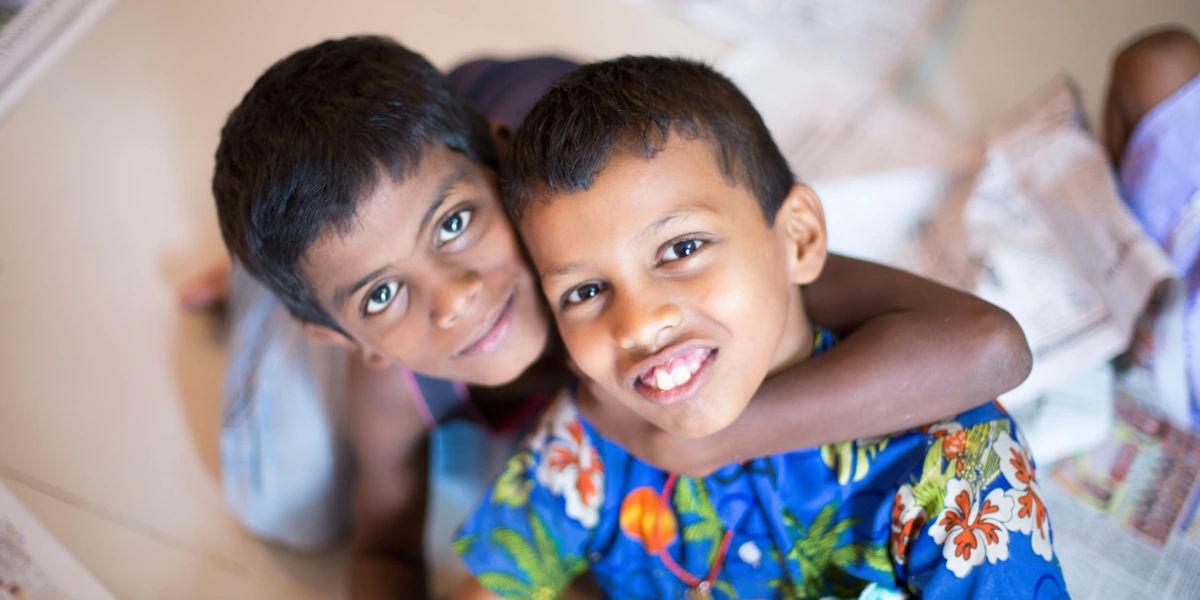
Often viewed merely as shelters, these institutions are in reality spaces of safety and healing for children who have faced some of life’s harshest realities, children rescued from child labour, survivors of abuse, children who have lost their parents, or those whose parents are in prison.
Many children enter childcare homes carrying fear, trauma, and unanswered questions. For them, a childcare home is not just a roof over their heads; it is often the first place where trust, dignity, and hope begin to take shape again.
What stood out strongly in the conversation was the emphasis on early and sustained care. While most childcare homes support children from infancy until the age of 18, the early years, especially up to the age of 12, are particularly critical. During this phase, children need consistent individual attention, guidance, and care.
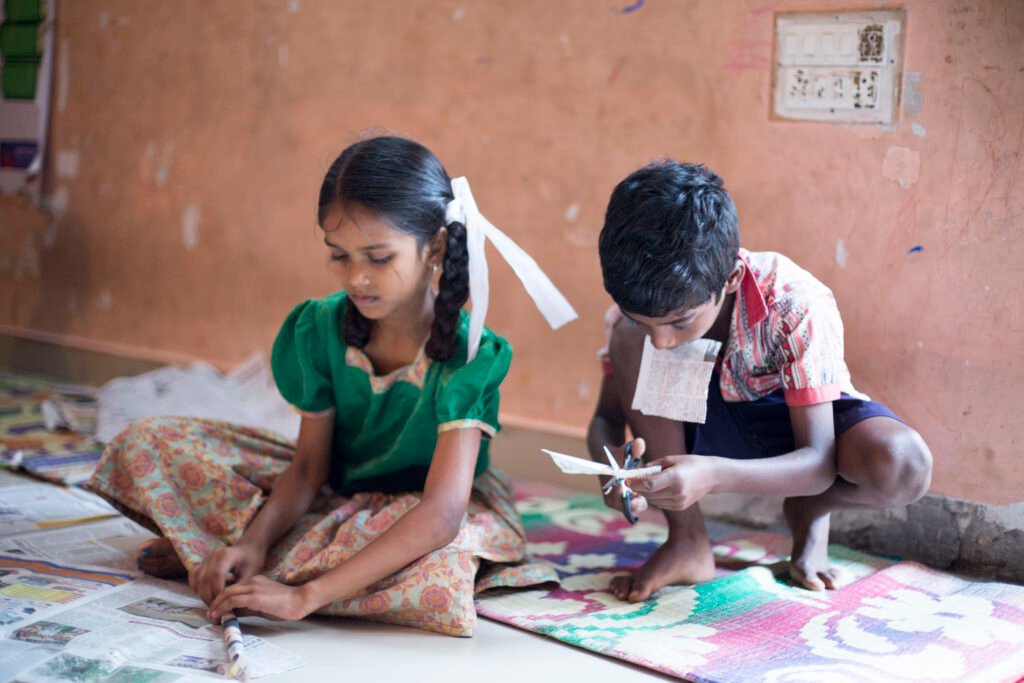
Children need adults who listen without judgment, who are willing to hear their stories, fears, and dreams. Every child deserves a safe space where emotions are acknowledged, where no pain goes unheard and no experience is dismissed.
Quality counselling and emotional care, therefore, are not optional; they are essential. When children are given the time and space to speak about what they have experienced, they can begin to process their emotions, heal, and rediscover a sense of self-worth. This was articulated powerfully by the Director during our discussion:
“In our children’s home, we need to give individual attention, and quality counselling is necessary to bring out what the child is really going through.”
A childcare home must go far beyond providing food and shelter. It must offer emotional security, stability, and relationships rooted in care and trust.
The conversation also returned repeatedly to a larger, shared hope—that childcare institutions should never be a permanent solution. The ultimate dream is a world where no child has to grow up in an institution. As the Director emphasised:
“I don’t want to see any child in a childcare institution in the future. As much as possible, we should ensure that every child is reunited with family—if not their immediate family, then extended family, and if not that, any family who can care for the child.”
Every child deserves a family, a home where they feel loved, valued, and protected. Wherever possible, children must be reunited with their biological families. When that is not feasible, extended families or adoptive families should be supported and encouraged to provide nurturing homes.
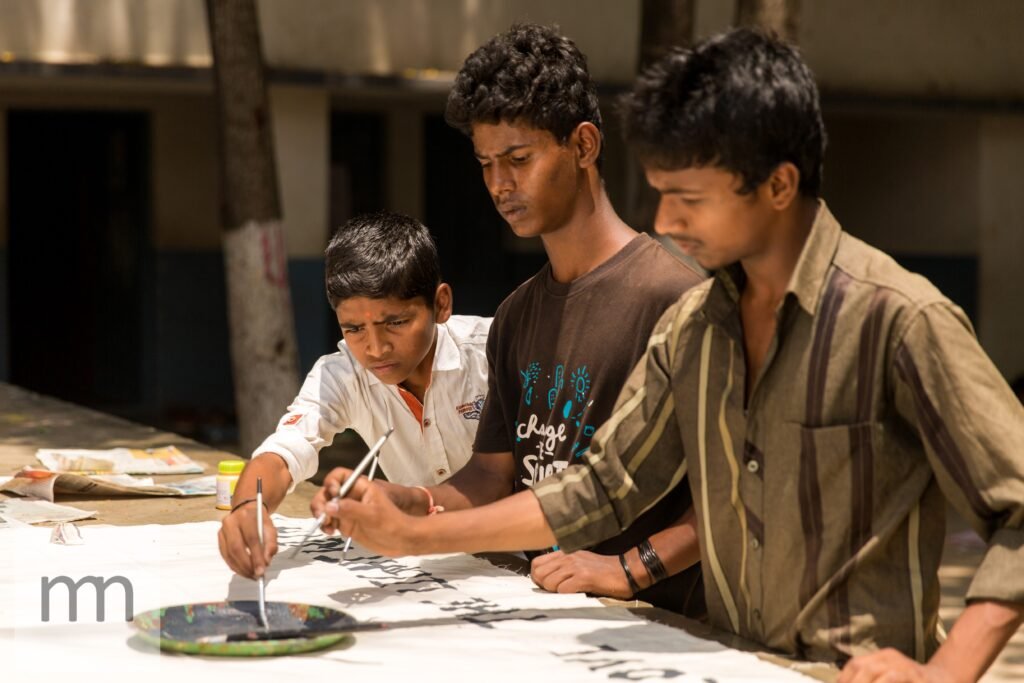
At the heart of this work lies a simple yet powerful belief: every child is special. In one childcare home, I witnessed this come alive during a small talent-sharing session. A quiet child who rarely participated in group activities volunteered to sing. What began as a hesitant performance slowly turned into a confident expression, met with applause from peers and caregivers. In that moment, the narrative shifted, from a child defined by circumstance to a child defined by ability and courage.
Experiences like these show how, when given safe and nurturing spaces, children begin to rediscover their strengths. Through thoughtfully designed programmes and joyful activities, they are encouraged to explore their interests, express themselves freely, and build a sense of confidence that extends far beyond the walls of the institution.
When children feel happy, heard, and valued, they begin to believe in themselves. And when a society truly invests in its children, it invests in its own future.
Do we see children in childcare institutions as someone else’s responsibility, or as part of our shared social fabric? Public perception influences policy, funding, volunteerism, and ultimately the quality of care children receive. When society cares, systems respond.
In our work at Makkala Jagriti, we have witnessed how collaborative efforts between institutions, counsellors, government departments, and civil society can gradually strengthen childcare ecosystems. Transforming a children’s home into a true home requires sustained partnerships and shared accountability.
Looking back at that conversation, one thought continues to stay with me:
“It is the collective effort of the government and the public to transform a children’s home into a home.”
Because a home is not defined by walls, but by dignity, emotional care, and opportunity. When childcare institutions are rooted in these values, they become transformative spaces, nurturing resilient individuals and, in doing so, building a stronger nation.
Written by Neeraja Anupama, Senior Coordinator, Communications