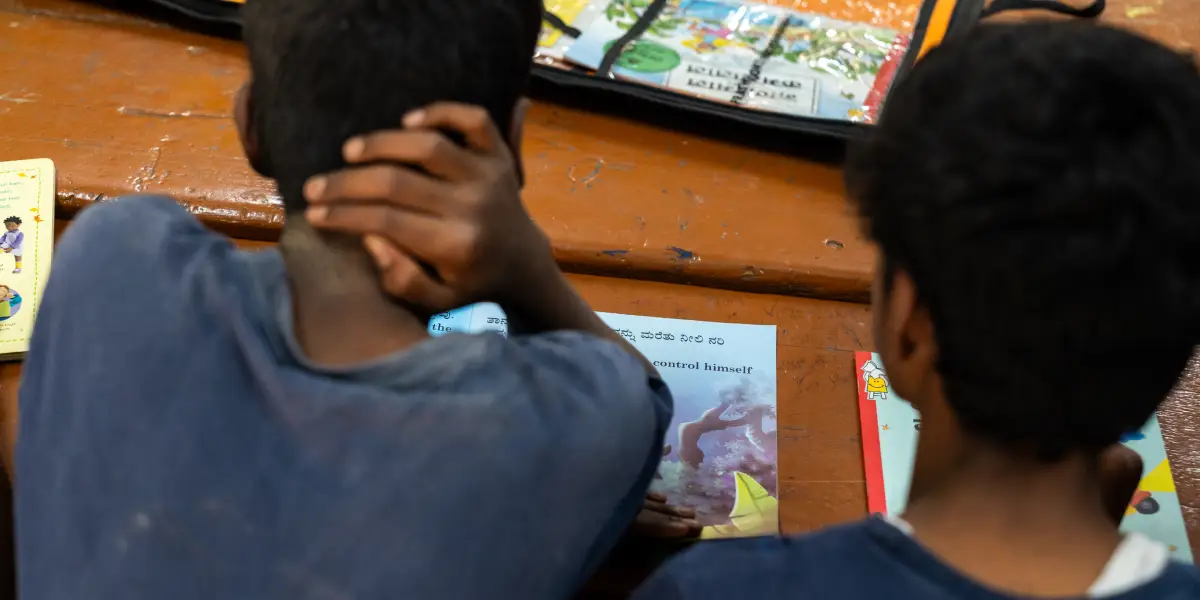
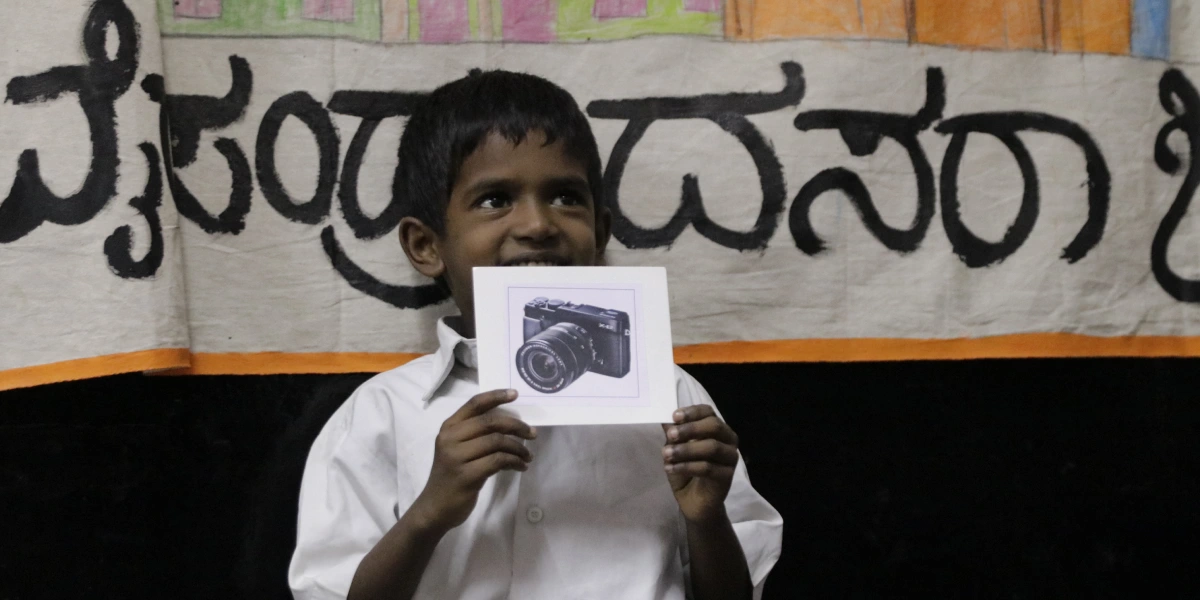
Holding onto a picture card, his heart pounding, Ravi could think of nothing but questions: If I say this, what will the teacher think? Will my friends laugh at me? What if I mispronounce a word? What if they make fun of me? What if…
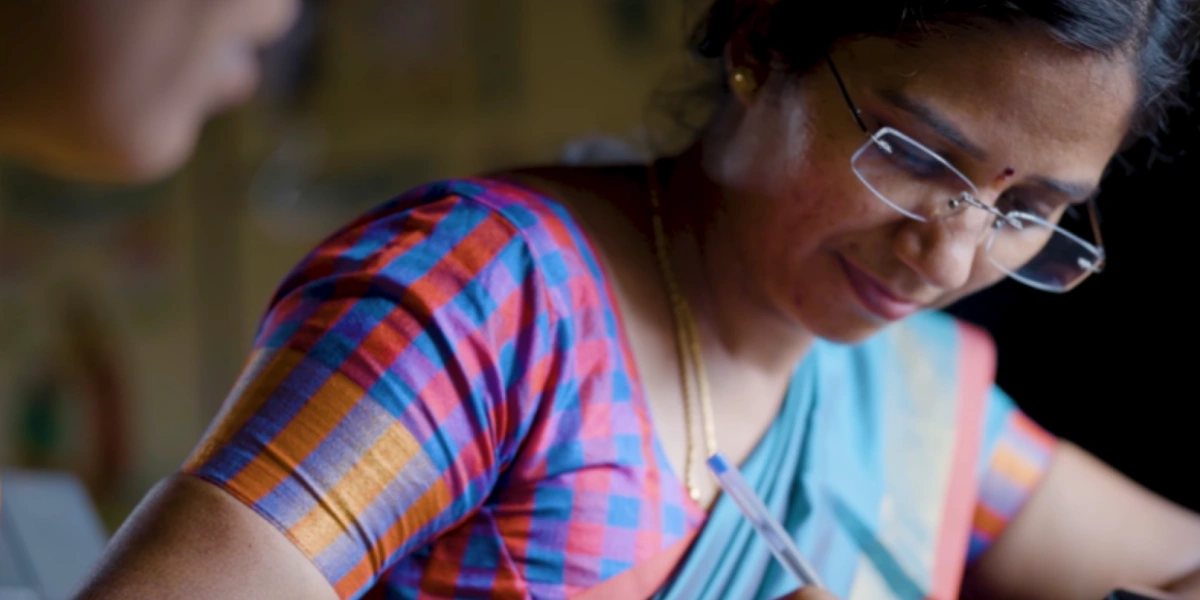
Sensing his hesitation, the facilitator at our learning centre gently reassured him that this was a safe space. That his voice mattered here. Slowly, Ravi began to speak. His voice started as a whisper, but with every word, it grew steadier and stronger. When he finished, his eyes sparkled with pride and joy.
All he needed was reassurance and a space where he felt seen and heard.
Like Ravi, many children enter classrooms full of curiosity and potential. Some speak easily, while others remain silent not because they lack ideas or ability, but because they are unsure whether it is safe to speak, to fail, or simply to be seen.
Joyful and inclusive classrooms create this sense of emotional safety. They allow children to learn without fear of judgment, to make mistakes, and to grow at their own pace. At Makkala Jagriti, our approach places the child at the centre recognising that learning is not just academic, but emotional, social, and deeply human.
Joyful and inclusive classrooms are built on a few core pillars. Here’s how they come alive in children’s everyday experiences.
Learning Through Joy
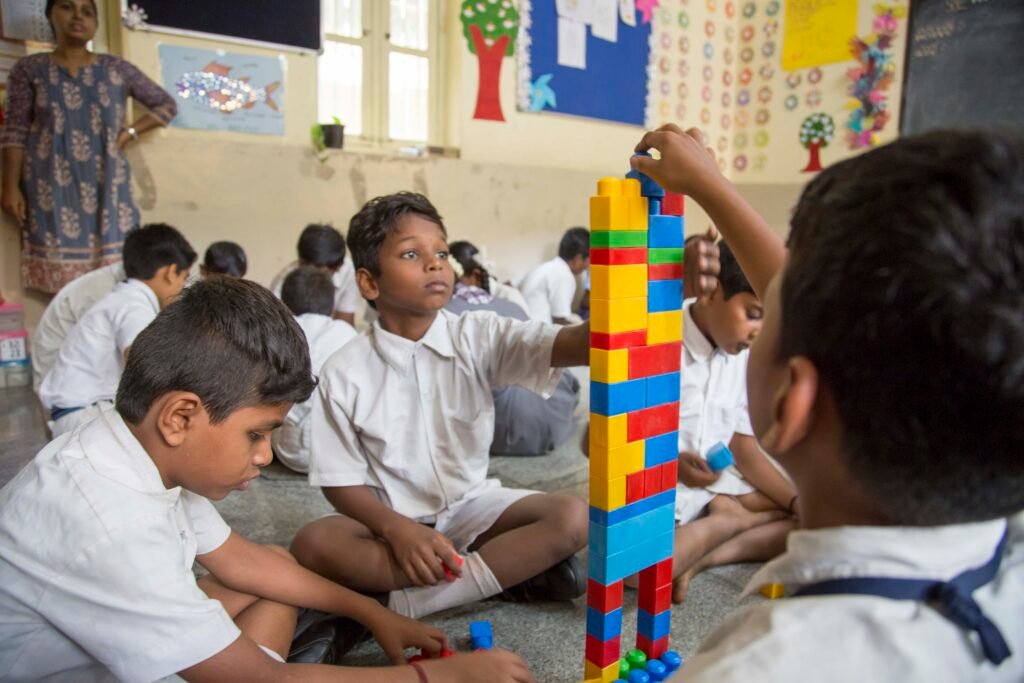
Joyful, activity-based learning changes how children relate to school. When lessons are playful, hands-on, and connected to real life, children begin to explore freely and take risks without fear.
Asha once avoided mathematics because she was afraid of getting answers wrong. But when math was introduced through puzzles, games, learning stations, and real-life problem-solving, something shifted. She began engaging with excitement, experimenting with confidence, and even supporting her classmates. Joy replaced fear and curiosity took its place.
Emotional Safety and Understanding Behaviour
Every child carries immense potential, but sometimes their energy and expressions are misunderstood. When behaviour is seen only as a problem to correct, children often withdraw further.
Ramesh was full of energy and ideas, yet often labelled as difficult. What he needed was connection, not correction. Through trusting relationships and meaningful roles in School Parliament activities, Ramesh was given responsibility and respect. A few supportive conversations helped him recognise his own strengths. Over time, he began reading more, participating responsibly, and contributing with intention. When children feel understood, they begin to understand themselves better.
Everyday Classroom Experiences
Small, consistent classroom practices shape how children experience school every day.
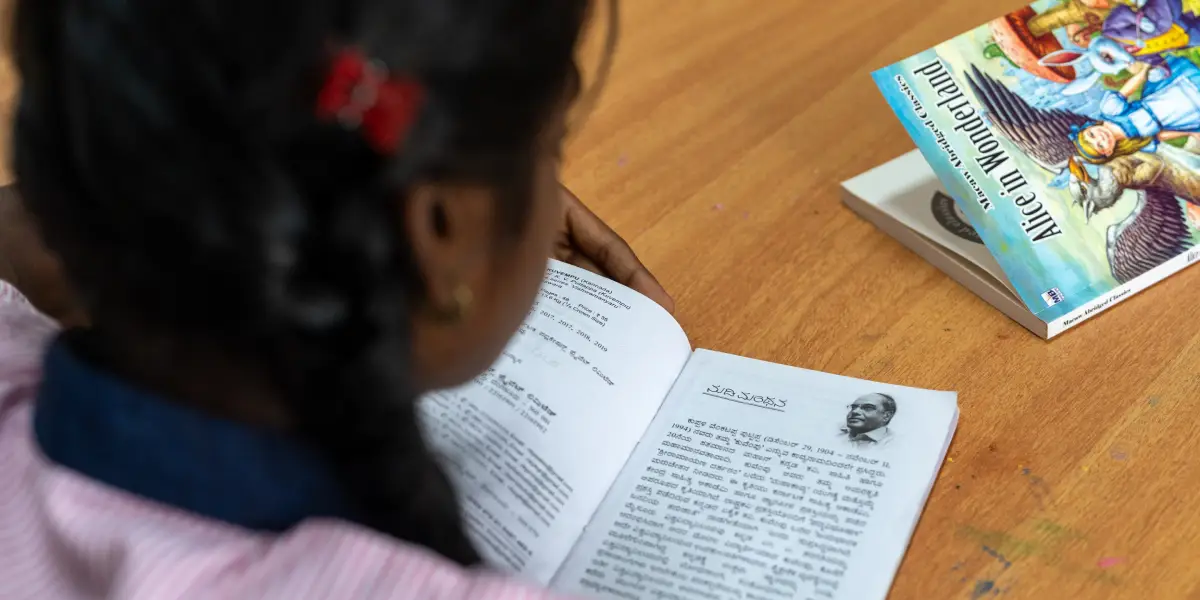
Dhanya describes her classroom as vibrant and full of colour. Her mornings begin with a feelings check-in, helping her feel seen and understood. She learns through songs, stories, role plays, art, and hands-on activities. She enjoys library time, puppet shows, and school assemblies. For Dhanya, school is not just a place to study, it is a place where she belongs.
Encouragement and Building Voice
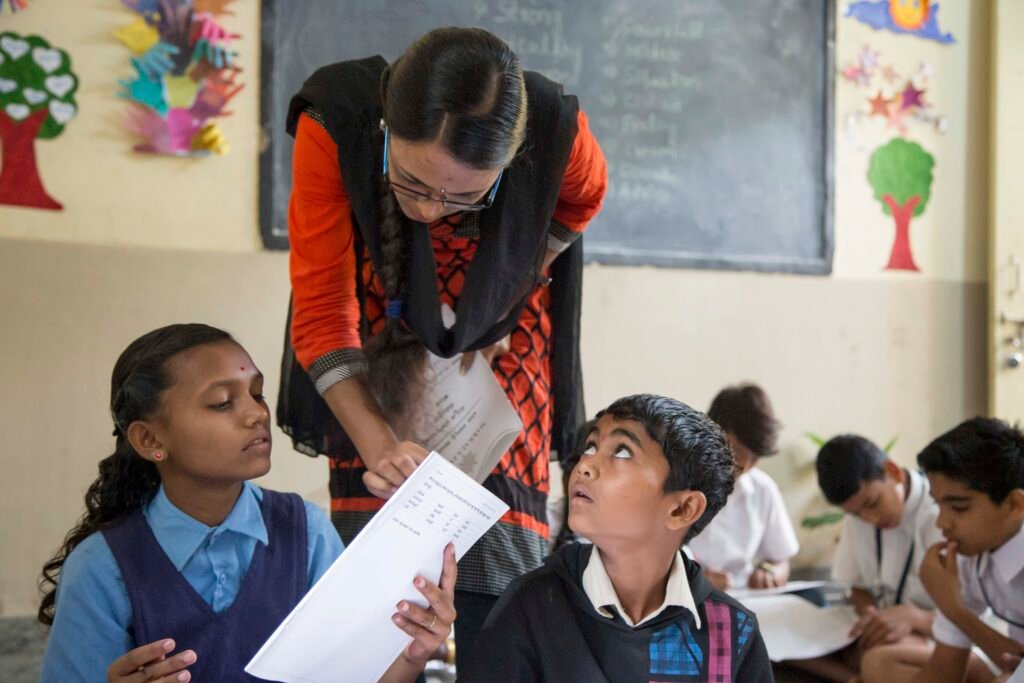
Confidence often grows in moments when children are gently encouraged to try.
Pragati once trembled at the thought of going on stage during assembly, afraid of making mistakes. With reassurance from facilitators and a safe space to attempt without pressure, Pragati stepped forward. Nervous but determined, they completed the activity. That moment marked a turning point. Today, Pragati speaks with confidence, a reflection of what encouragement and trust can nurture.
What These Stories Tell Us
Across these experiences, a clear pattern emerges:
- Emotional safety builds confidence
- Joyful learning awakens curiosity
- Inclusive classrooms create belonging
- Holistic development allows children to grow into themselves
Children Learn Best When
- They feel safe to express themselves without fear of judgment
- Learning is joyful, hands-on, and connected to real life
- Their emotions and behaviours are understood with empathy
- They are encouraged to try, fail, and try again
- Classrooms celebrate participation, not perfection
At Makkala Jagriti, this is the transformation we work towards every day, creating spaces where children feel safe to grow, express, and discover their potential.
A Quiet but Powerful Transformation
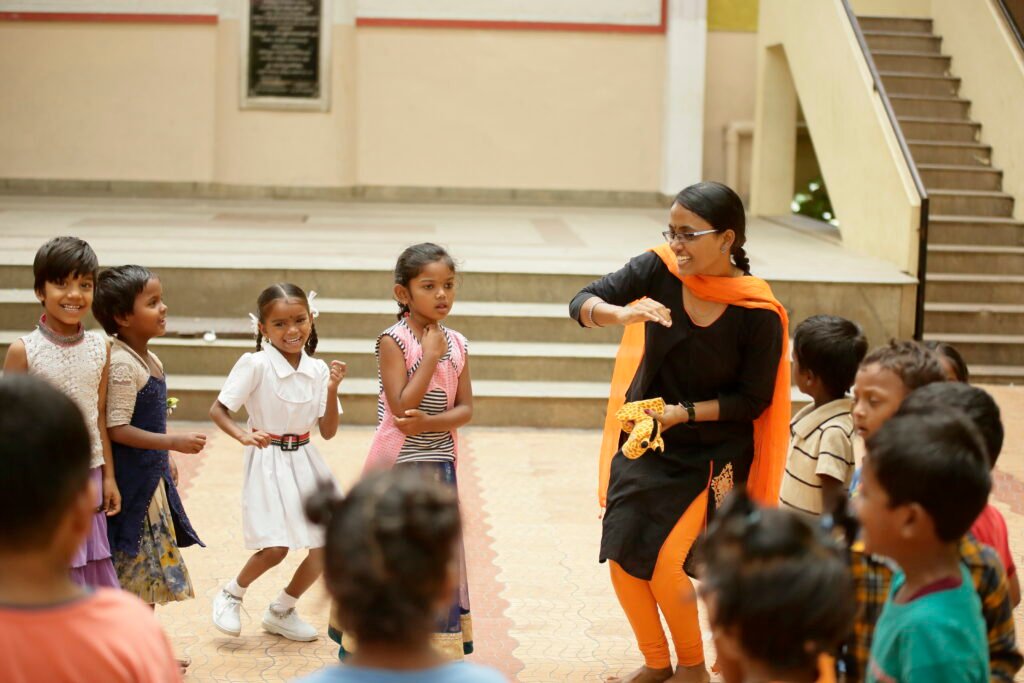
When joy and inclusivity enter a classroom, confidence grows quietly. Children begin to speak, explore, imagine, and lead in their own time and in their own voice. And in these everyday moments of trust and encouragement, classrooms transform into spaces where children don’t just learn – they become who they are meant to be.
These changes may begin quietly, but when nurtured consistently, they ripple across classrooms, schools, and communities.
Written by Thanuja A R, Senior Program Manager, School Program