• VOLUNTEER
  • CAREERS
  • BLOG
DONATE
  • VOLUNTEER
  • CAREERS
  • BLOG
Makkala Jagriti Makkala Jagriti
  • ABOUT US
    • VISION, MISSION, CORE VALUES
    • OUR STORY
    • OUR TEAM
    • OUR PARTNERS
    • REPORTS
  • OUR WORK
    • ECCE PROGRAM
    • HDLC PROGRAM
    • YUVA JAGRITI
    • CAREGIVERS
  • JOIN THE MOVEMENT
    • DONATE
    • PARTNER
    • VOLUNTEER
    • WORK WITH US
  • CONTACT US
  • STORIES OF CHANGE
DONATE
Makkala Jagriti

The Importance of Holistic Development and Makkala Jagriti’s SPICE Model

Home / Blogs / The Importance of Holistic Development and Makkala Jagriti’s SPICE Model

Many children today score well in exams, yet struggle with expressing themselves, working with others, managing emotions, or thinking creatively. This gap isn’t a reflection of their potential — it is a reminder that education focused only on academics cannot meet the needs of the whole child. In India, where education is a fundamental right, quality cannot be limited to textbooks, tests, and marks. True learning must support every dimension of a child’s growth — socio-emotional, physical, intellectual, creative, and ethical. When these areas are overlooked, children may succeed on paper but miss out on essential life skills that shape confidence, curiosity, and long-term well-being. Holistic development is not an optional layer in education; it is the foundation of what meaningful learning looks like.

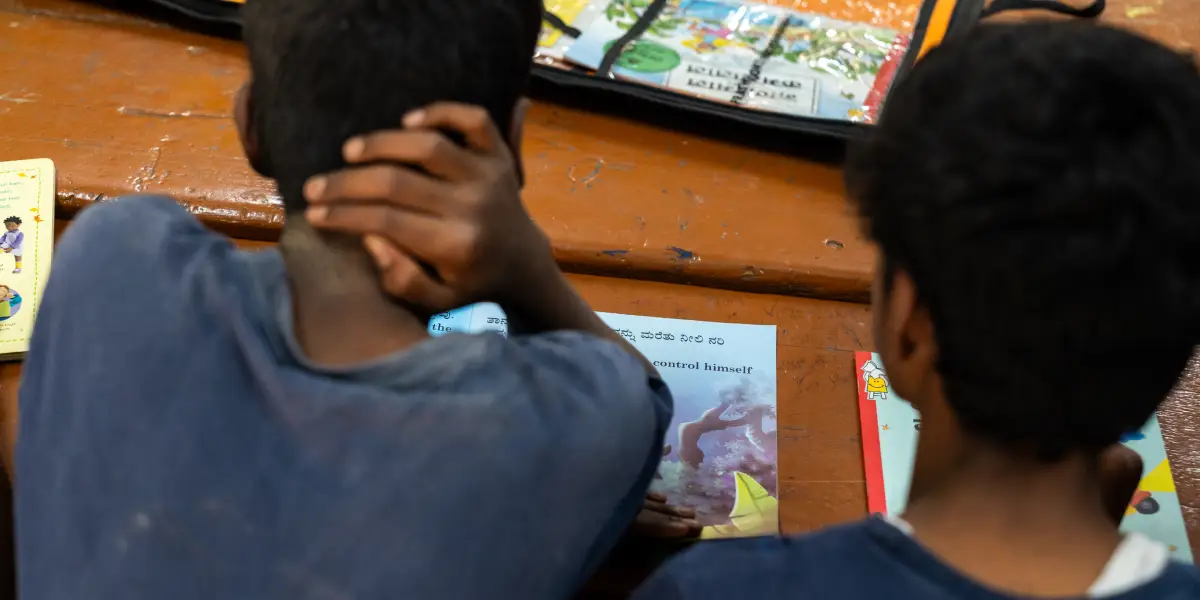
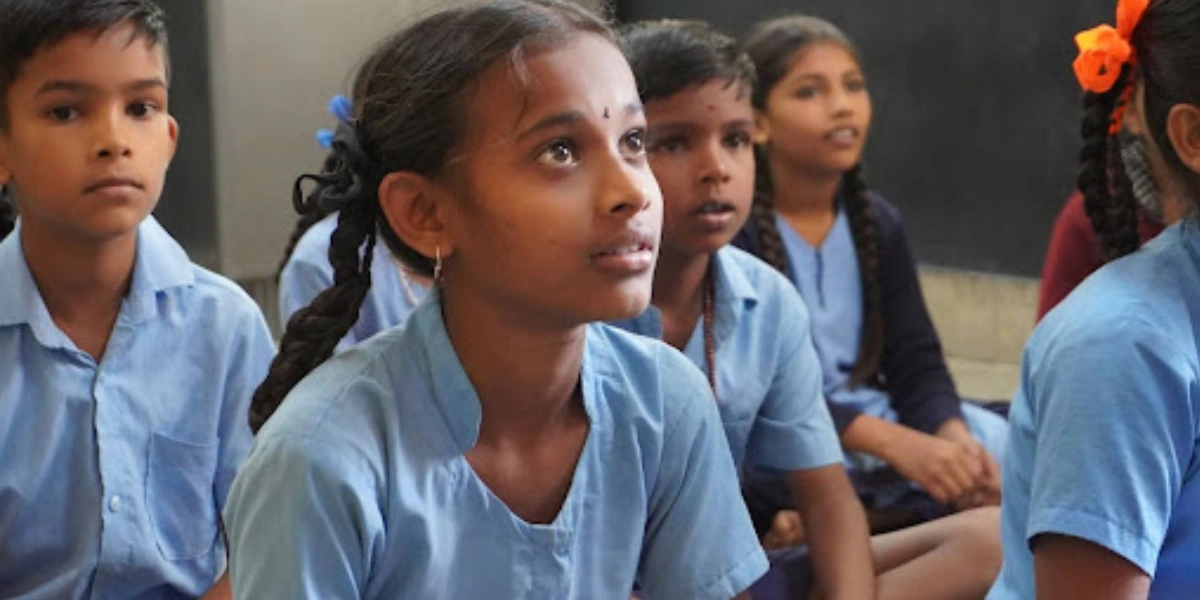
Children at the learning Holistic Development Learning centre set up in school

A Balanced Approach to Growth

A holistic approach is not just ideal – it is necessary. When children do not receive a holistic education, their growth becomes uneven. They may perform well academically but struggle with expressing emotions, collaborating with peers, thinking creatively, or making responsible choices. 

Research within India highlights this gap: studies show that while classrooms largely prioritise academics, comparatively little attention is given to socio-emotional development, especially in government schools (ResearchGate, 2022). As a result, children often lack essential skills in emotional self-management and communication skills that directly influence long-term educational engagement and well-being.

Global evidence reinforces this. A large meta-analysis of school programmes that integrated socio-emotional learning found that children performed, on average, 11 percentile points higher academically than their peers in traditional setups (Learning Routes, Meta-analysis of SEL Programmes). This shows that when children receive holistic support, their academic outcomes also strengthen.

A balanced focus on all aspects of development helps individuals:

  • Build strong interpersonal relationships
  • Maintain physical health and well-being
  • Develop critical thinking skills
  • Unleash creativity and innovation
  • Cultivate a strong moral compass

Makkala Jagriti’s SPICE Model

Makkala Jagriti’s approach to holistic child development is encapsulated in its SPICE model, which emphasises the Socio-emotional, Physical, Intellectual, Creative, and Ethical dimensions of growth.

This model recognises that true development cannot be achieved through isolated sessions focusing separately on social-emotional learning (SEL), creativity, intellectual growth, or physical development. Instead, it requires an integrated curriculum where all SPICE components are interwoven seamlessly.

Facilitator doing an activity with children

An Integrated Approach Through Theme-Based Learning

At Makkala Jagriti, themes serve as the anchor for holistic learning. Each theme—taken up for two months allows children to explore a concept from multiple angles, seamlessly connecting all SPICE dimensions. Rather than teaching skills or subjects in isolation, the theme becomes the central thread that ties together creative thinking, collaboration, problem-solving, expression, and real-world understanding.

For example, a theme like “Money” provides meaningful opportunities such as:

  • Socio-emotional: Understanding needs vs. wants, recognising family financial situations with empathy, and discussing fairness or saving habits
  • Physical: Games and activities involving movement-based trading, shop setups, or role-play
  • Intellectual: Learning basic numeracy, simple budgeting, counting, value, and problem-solving
  • Creative: Designing currency, creating shops, storytelling on responsible use of money
  • Ethical: Conversations on honesty, sharing, mindful spending, and understanding the impact of money choices

Because the theme anchors all learning experiences, children naturally build connections, think more creatively, work collaboratively, and apply concepts meaningfully. This interconnected approach ensures that learning is holistic, engaging, and rooted in real-life contexts.

The Need for an Integrated SPICE Curriculum

Learning is inherently interconnected, and theme-based learning makes this connection visible and meaningful. When themes anchor the teaching process, children encounter concepts in multiple ways—through movement, dialogue, creativity, reasoning, and reflection. This helps them naturally link ideas, apply skills across contexts, and understand learning as a whole rather than as separate, unrelated parts.

Traditional, disaggregated curriculum structures—where socio-emotional learning, creativity, intellectual tasks, or physical activities are separated—often fail to capture this richness. For example, an art activity is not just a creative experience; it can build emotional awareness, strengthen cognitive skills, and encourage collaboration. Viewing it through a single lens limits our understanding of a child’s holistic development.

This is why Makkala Jagriti has designed an integrated SPICE curriculum that blends theory with hands-on, experiential learning. By ensuring that every theme connects to all SPICE dimensions, children receive a seamless and comprehensive learning experience that supports their holistic development.

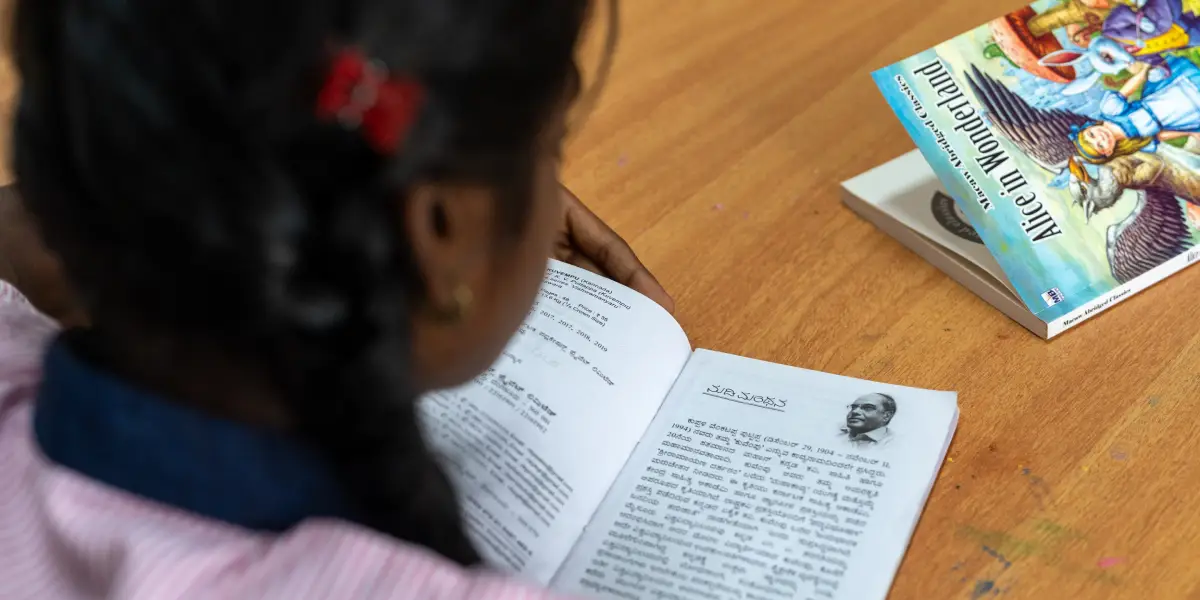
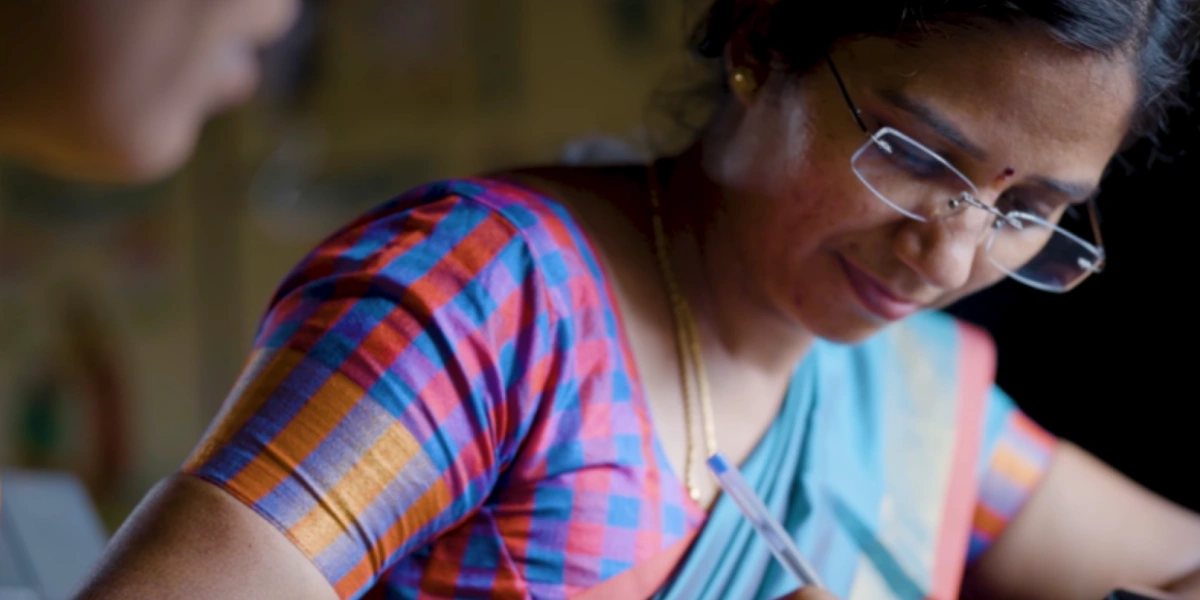
A girl engaged in a language learning exercise.

Key Benefits of the Integrated SPICE Curriculum

1. Cognitive Growth
  • Language and cognitive development naturally occur during integrated learning processes, enhancing overall educational outcomes.
2. Applying Skills in Real-World Contexts
  • Isolated content limits skill application. Children need to learn diverse skills in an interconnected manner, which an integrated curriculum facilitates.
3. Aligning Curriculum with School Practices
  • Integrating curriculum with school-wide practices ensures its adoption by teachers and promotes a consistent, holistic learning experience.
4. Achieving SPICE Outcomes
  • Integrated, theme-based sessions and school-wide activities ensure that children apply SPICE skills in real-life contexts, leading to long-term benefits and a well-rounded foundation for future success.

Conclusion

Holistic education, through Makkala Jagriti’s SPICE model, is shaping the future of learning by embracing an integrated, multi-dimensional approach. By weaving together socio-emotional, physical, intellectual, creative, and ethical growth, we empower children with the skills and mindset needed to navigate life with confidence, creativity, and compassion.

References
  1. SEL Policy Initiatives and Classroom Practices in India. ResearchGate (2022).
  2. Meta-analysis of SEL Programmes. Learning Routes — summarising findings from global SEL research.

    Written by – Viba K S, Deputy Manager – Communications
76
Like this post
Makkala Jagrithi logo

Sign up for our newsletter by entering your email id

HOME

OUR WORK

JOIN THE MOVEMENT

PRIVACY POLICY

ABOUT US

CONTACT US

STORIES OF CHANGE

DONATE

BLOG

NEWS & EVENTS

CAREERS

© Copyright 2020 Makkala Jagriti

Developed by SriKa Marketing for Nonprofits

Copy
Cleantalk Pixel
best ngo in bangalore

Empowered Teachers Create Better Learners

To ensure children get quality pre-school learning opportunities in the Anganwadi, we empower the teachers and helpers through enhancing their knowledge, skills and attitude towards early learning and development.

“Through Anganwadi trainings, I have changed in a positive way and gained confidence about myself – especially in terms of catering to all domains of early learning. I have even started making learning materials by myself to teach children”.

– Nirmala, Anganwadi teacher, Rojipura

We train teachers and helpers on experiential learning methods that can be practiced at their centres. We also organise Mothers’ Meetings and regular mentoring visits to provide on-the-job support and guidance to teachers. Anganwadi helpers are empowered to become co-teachers and have an important role in the children’s learning process, thereby not confining them to just cooking and cleaning.

“I was used to just cooking and cleaning in the Anganwadi and did not do much else. However, after I attended the ECCE trainings, I realized I had a lot of potential and could engage and teach the children just like a teacher. Now, when the teacher is absent, I engage children in preschool learning activities.”

– Rukmini, Helper, Jyothinagar Anganwadi

From giving little time to learning, to prioritizing pre-school learning and spending more quality time with children, Anganwadi teachers and helpers have come a long way.

best ngo in bangalore

A Library with Toys!

In an effort to ensure that every household in the Anganwadi community had access to child-friendly learning materials, we started a novel initiative called ‘Toy Library’, which allowed parents to borrow toys and learning resources for their children.

“The Toy Library has been very useful for children. Whatever we teach at Anganwadi, they can continue learning at home independently. Parents also feel more equipped to engage their children at home. No wonder, within just two months of its launch, over 100 toys were borrowed from our Anganwadi.”

– Bhavya, Anganwadi teacher

The Toy Library concept was welcomed by the community and the time spent on learning at home increased!

“My child always preplans what he’d like to take home from the Toy Library. He has also become very responsible in maintaining the toys because he knows he must return them! In the past 3 months, we have borrowed 20 times already.”

– Shwetha, Parent, Vijayanagara Anganwadi, Doddaballapur

anganwadi school

Nammoora Anganwadi

We have seen great transformation take place when parents and community members are involved in shaping learning spaces for children and understand the importance of preschool education. The Anganwadi at Katamnallur, Bengaluru, transformed from a dull space to a vibrant and colourful learning centre, where children love to visit every day and parents and community members gather to participate in various activities.

“When we started our intervention, we saw that the environment at the Anganwadi was not safe or conducive for children. Although the community could contribute to the Anganwadi’s development, there was a major gap between the community, local leaders and Anganwadi teachers.”

– Gouri, Coordinator

Through community celebrations and fun events, we involved community members in the Anganwadi activities. As their participation grew, their understanding about the significance of early learning and development also increased and they readily contributed to the centre’s development.

“Community involvement in Anganwadi is so important. Inspired by Makkala Jagriti’s work, we saw the community, parents and Bala Vikas Samithi members come together and show greater ownership towards the Anganwadi.”

– Subramanya Swamy, Doddabanahalli Gram Panchayat Member

best ngo in bangalore

Equipping parents to become positive influencers

Manoj, a 12-year-old boy, hails from a family of garment workers who had migrated from Andhra Pradesh. On moving to Bengaluru in 2018, he joined the Government Primary School in Ulsoor. The drastic change in his environment and culture left him feeling withdrawn and fearful. He refused to speak or participate in any school activity. Over time, he confided in our HDLC facilitator about feeling neglected by his parents in such difficult circumstances.

Manoj’s mother was invited to participate in Makkala Jagriti’s parents’ workshop. The two-day residential workshop allowed her to reflect on her own mindset, biases and relationship with her son. At the end of it, she made a conscious decision to work on rebuilding and restoring her relationship with Manoj. At school, our facilitator noticed that this had a direct impact on his performance. He became more participative and improved in his academics. Manoj later shared with the facilitator that his relationship had become more harmonious and positive with his mother.

best ngo in bangalore

Breaking the language barrier for migrant children

Barnalli, a seventh grade student at Government Primary School, Somasundrapalya, is a child of migrant parents from Assam. Unable to speak the local language, Kannada, she found it difficult to adjust to school and struggled to mingle with other children.

“When you are new to a place and don’t know anyone, it is hard to fit in. She didn’t have any friends in school.”

– Barnalli’s mother

Makkala Jagriti’s language development program came to her rescue.

“Although I was in a higher grade, the HDLC facilitator taught me Kannada right from the basics. The different activities and sessions helped me grasp the language easily and quickly. Over time, Kannada moved from being just a new language to my favorite subject. Learning Kannada helped me enjoy school a lot more. I became a class leader and also started representing the school in inter-school competitions!”

– Barnalli

anganwadi school near me

How the education of one girl can impact generations ahead

Both of Mercy’s parents worked in the unorganised sector, who could not afford her school fees. She joined Makkala Jagriti Learning Centre at the age of 11, and always found the facilitators to be warm, welcoming and encouraging. Makkala Jagriti also supported her to pursue her education.

“We had a lot of freedom to explore our interests and talents. They taught us life skills and values. It was a new world for me.”

– Mercy

Through the Yuva Jagriti career guidance programme, Mercy received the right kind of insight and encouragement that led her to pursue a degree in Commerce, that too through a merit seat. Being the first girl in her family to study that far, she set an example in her community and made choices that allowed her to move beyond the circumstances that she was born into. Mercy now works in a reputed bank and is among our celebrated many who not only made a difference in their own lives but continue to do so in that of others.

anganwadi centres

Turning a Misguided Youth into a Community Leader

Prabhu was a teenager when the old, dilapidated building in which his family lived collapsed, leaving them without a home. While they were still grappling with the situation, Prabhu lost his father, the sole earning member of the family. Unable to process his difficult circumstances, he found strength in hanging around with his friends, who often indulged in gang wars and all forms of abusive behaviour.

Prabhu was a shy yet playful boy when he joined the Yuva Jagriti centre at the age of 15. He expressed, “I feel I am at crossroads, not sure which road to take”. Following our support and guidance, he decided to pursue an internship at Makkala Jagriti. He was entrusted to work with children from Shelter Homes. Today, Prabhu is a sought-after Creative Facilitator and Coordinator at Makkala Jagriti, managing three Community Centres. A silent yet sound performer, he brings in diverse and highly creative ways to engage children and help them learn and grow.

best ngo in bangalore

From a 10th Std. dropout to a World Taekwondo Champion

Murali lived in Bengaluru with his brother, while his parents lived in a village in Tamil Nadu. After his 10th grade, he lost the interest and inclination to study further. When he joined Yuva Jagriti, he started learning Taekwondo at our centre, which helped him become calmer and more focused. He also showed immense capacity to work with children, especially in the areas of sports and creativity, and this landed him an opportunity to work with Makkala Jagriti. Alongside his work, he pursued Taekwondo and competed at the District, State and National levels. He won a number of Gold Medals.

Today, Murali is an accomplished Taekwondo instructor, teaching at many schools in Bengaluru. He brought great accolades to the Nation when he won two bronze medals at the World Taekwondo Championship in Korea in September 2017.